
Simple and Effective Ways to Reduce Noise at Home
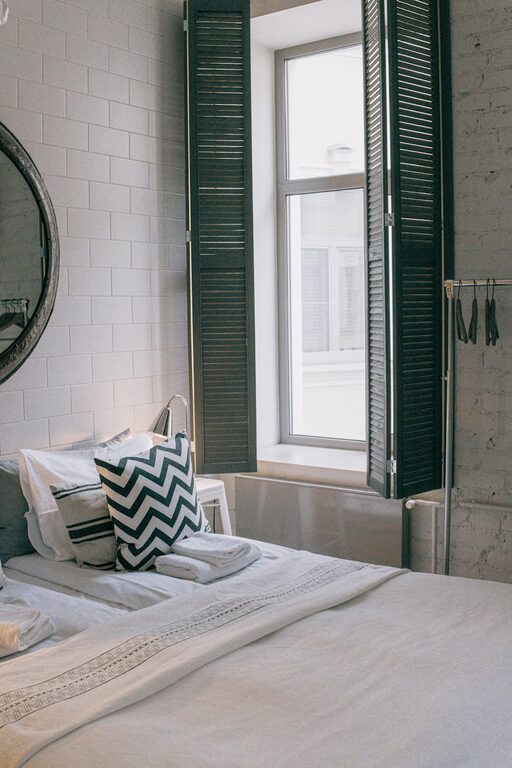
Creating a peaceful and quiet home is a goal for many people. Whether you live in a busy city apartment, a suburban house, or a shared living space, unwanted noise can disrupt your relaxation, concentration, and sleep. The good news is that reducing noise at home doesn’t always require expensive renovations or complex solutions. With some simple changes and smart choices, you can significantly lower the noise levels inside your home.
In this post, we’ll explore practical and easy ways to reduce noise at home, from DIY fixes to smart decorating tips. Let’s dive in!
Why Is Noise Reduction Important?
Noise pollution inside the house can lead to stress, difficulty focusing, poor sleep quality, and reduced comfort. By reducing background noise, you create a more calming environment—perfect for working, studying, or unwinding after a busy day.
Identify the Sources of Noise
Before you start, it’s helpful to identify where the unwanted sounds come from. Common noise sources include:
– Traffic and street noise
– Neighbors or shared walls
– Appliances and electronics
– Air conditioning or heating systems
– Footsteps or creaky floors
– Pets and family activity
Knowing the sources helps you choose the best solutions.
Simple Ways to Reduce Noise Inside Your Home
1. Use Soft Furnishings to Absorb Sound
Hard surfaces reflect sound, which makes noise bounce around and increase overall loudness. Adding soft materials can absorb sound waves, reducing echo and noise levels.
– Rugs and Carpets: Place rugs or carpets on bare floors, especially in high-traffic areas.
– Curtains and Drapes: Heavy or layered curtains help block sound coming through windows.
– Cushions and Upholstered Furniture: Sofas, cushions, and fabric chairs all help absorb sound.
2. Add Weatherstripping and Door Sweeps
Gaps around doors and windows allow noise to enter your home easily.
– Apply weatherstripping to seal gaps around doors and windows.
– Install door sweeps at the bottom of doors to block noise from hallways or other rooms.
These inexpensive fixes can make a noticeable difference.
3. Rearrange Your Furniture
Strategic furniture placement can help reduce noise impact.
– Place bookshelves or tall furniture against walls that face noisy streets or neighbors. Filled shelves absorb sound well.
– Position sofas and chairs away from noise sources to create a quieter seating area.
4. Use Acoustic Panels or Wall Hangings
If you want a more decorative solution, acoustic panels are designed to absorb sound.
– These panels can be bought online, and they come in different styles and colors.
– Alternatively, large tapestries or fabric wall hangings also dampen noise.
5. Fix Noisy Appliances and Electronics
Sometimes appliances or electronics contribute to indoor noise.
– Regularly maintain air conditioners, fans, and heating units to ensure quiet operation.
– Use rubber pads or mats beneath appliances like washing machines or dishwashers to reduce vibration noise.
– Turn off or mute electronics when not in use.
6. Close Windows and Use Double Glazing
Open windows let in sounds from outside.
– Keep windows closed during noisy times, such as rush hour.
– If noise is a persistent problem, consider installing double-glazed windows that provide better sound insulation than single panes.
7. Seal Cracks and Holes in Walls
Small gaps or cracks in walls also allow noise to pass through.
– Use caulk or sealant to close openings around window frames, baseboards, or electrical outlets.
– For more extensive noise control, consult a professional about insulation options.
8. Use White Noise or Sound Machines
If eliminating noise entirely isn’t possible, masking it can help.
– White noise machines or apps produce a soothing sound that can cover up disruptive noises.
– Fans or air purifiers can also provide calming background noise.
Additional Tips for Quieter Floors and Ceilings
If footstep noise or noise from upstairs neighbors is an issue:
– Install area rugs with thick padding on floors to soften footsteps.
– Use ceiling baffles or talk with building management about soundproofing solutions if you live in an apartment.
Final Thoughts
Noise pollution inside the home doesn’t have to be an unavoidable annoyance. By making some simple adjustments like adding soft furnishings, sealing gaps, and maintaining appliances, you can create a quieter and more comfortable living space. Experiment with a combination of these tips to find what works best for your home.
Enjoy the peace and quiet—you deserve it!