
Essential Tips for Keeping Your Houseplants Healthy and Thriving
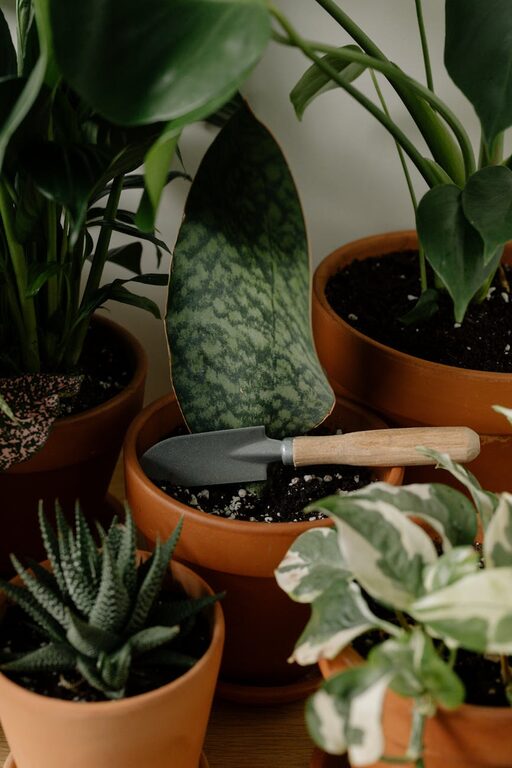
Bringing houseplants into your living space can brighten up your home, improve air quality, and add a touch of nature indoors. However, keeping them healthy requires some attention and routine care. Whether you’re a seasoned plant parent or just starting out, this guide will walk you through practical tips to help your houseplants thrive.
Understanding Your Houseplants’ Needs
Different plants have different care requirements, so the first step to keeping them healthy is understanding what your specific plants need.
Light
Plants rely on light for photosynthesis, a process that lets them grow and flourish. Pay attention to the light requirements of your plants:
– Bright, indirect light: Many popular houseplants, like spider plants and pothos, prefer bright but indirect sunlight.
– Low light: Some plants, such as snake plants or ZZ plants, can tolerate lower light conditions.
– Direct sunlight: Succulents and cacti often need direct sunlight for several hours per day.
Tip: Observe how much natural light different areas in your home receive, and place plants accordingly.
Watering
Water is essential, but overwatering is one of the most common mistakes.
– Check the soil moisture before watering. Most plants prefer the top inch or so of soil to dry out between waterings.
– Use pots with drainage holes to prevent water accumulation, which can cause root rot.
– Adjust watering frequency based on season and indoor humidity. Plants generally need less water in cooler months.
Soil and Potting
Using the right soil mix is important.
– Most houseplants do well in a well-draining potting mix.
– Succulents and cacti require soil blends designed for fast drainage.
– Repot your plants every 1-2 years, or if you notice roots growing out of drainage holes or soil that dries out very quickly.
Tips for Healthy Growth
Beyond basics, follow these best practices to keep your plants in top shape.
Feed Your Plants
Indoor plants benefit from occasional feeding.
– Use a balanced, water-soluble fertilizer during the growing season (spring and summer).
– Follow package instructions to avoid over-fertilizing.
– Avoid fertilizing during dormancy or winter when most houseplants grow slowly.
Maintain Humidity
Many houseplants originate from tropical environments and appreciate higher humidity.
– Increase humidity by misting plants, placing a tray of water nearby, or using a humidifier.
– Grouping plants together also helps create a more humid microenvironment.
Keep Plants Clean
Dust and dirt on leaves can block sunlight and reduce photosynthesis.
– Wipe leaves gently with a damp cloth.
– For plants with fine leaves, a gentle shower with lukewarm water can help.
Monitor for Pests and Disease
Regularly check your plants for signs of pests like spider mites, aphids, or mealybugs.
– Look under leaves and along stems.
– If you detect pests, isolate the affected plant and treat it promptly with insecticidal soap or neem oil.
– Remove any dead or yellowing leaves to prevent disease.
Additional Tips for Success
Rotate Plants Regularly
Turning your plants once a week helps them grow evenly by ensuring all sides receive light.
Use Appropriate Pots
Choose pots that suit the plant’s size and allow for drainage.
– Avoid pots that are too large; excess soil can retain moisture and cause root problems.
– Consider self-watering pots if you tend to forget watering.
Understand Dormancy Periods
Some plants naturally slow down growth during the colder months.
– Reduce watering and feeding during dormancy.
– Avoid repotting or pruning unless necessary during this time.
Learn and Adapt
Every home environment is different, so watch how your plants respond and adjust care routines.
– Keep a plant journal to note watering schedules, feeding, and changes.
– Don’t hesitate to research specific care tips for unique plants in your collection.
Conclusion
Caring for houseplants is a rewarding hobby that adds life and vibrancy to your home. By understanding your plants’ individual needs and following these practical tips, you can enjoy green, healthy plants all year round. Remember, patience and observation are key. With a little attention, your houseplants will thrive and bring lasting joy to your space. Happy gardening!