
How to Choose a Notebook You’ll Actually Use Every Day
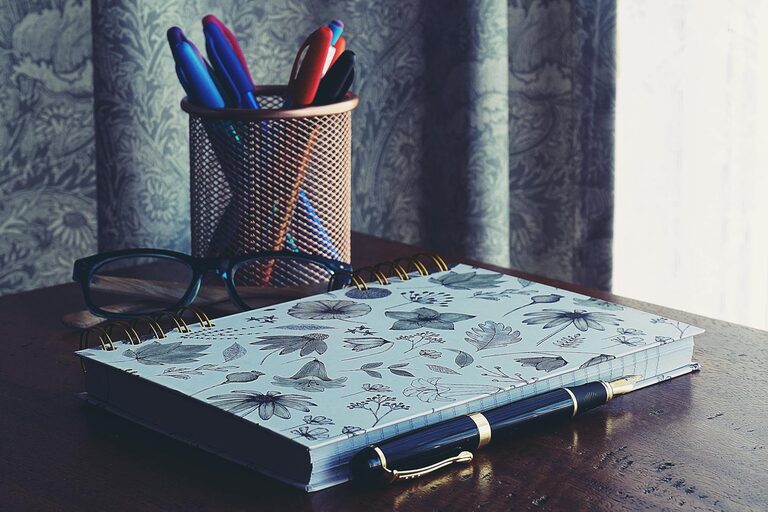
Choosing the right notebook may seem like a simple task, but many people struggle to find one they actually enjoy using. Whether for work, school, journaling, or personal projects, the perfect notebook can motivate you to stay organized and inspired. In this post, we’ll explore key factors to consider so you can pick a notebook that fits your lifestyle and preferences, making it a tool you’ll reach for day after day.
Why Choosing the Right Notebook Matters
Notebooks come in countless forms—different sizes, paper types, bindings, and designs. The right notebook can help you stay organized, boost creativity, and keep your thoughts clear. On the other hand, a notebook that doesn’t feel right often ends up unused or discarded. Taking some time to choose a notebook that matches your needs will save you money and frustration in the long run.
Step 1: Identify Your Primary Use
Before looking at notebooks, think about how you plan to use it. What is your main goal?
– Taking notes: For meetings, lectures, or ideas.
– Journaling: Daily reflections, gratitude lists, or personal growth.
– Planning and organizing: To-do lists, calendars, and goal tracking.
– Creative work: Sketching, brainstorming, or scrapbooking.
Knowing your purpose helps narrow down features like paper type and formats.
Step 2: Consider the Size and Portability
Notebooks come in sizes ranging from tiny pocketbooks to large sketchpads. Choose a size that fits comfortably into your routine.
– Pocket-sized (A6 or smaller): Easy to carry everywhere, great for quick notes or lists.
– Medium (A5 or similar): Balanced size, suitable for most purposes without being bulky.
– Large (A4 and up): Better for detailed notes or drawings but less portable.
Also, think about your daily carry—if you commute or travel often, a smaller, lighter notebook might be best.
Step 3: Paper Type and Quality
The paper inside can make a big difference depending on how you write or draw.
– Ruled or lined: Ideal for writing and note-taking.
– Blank: Perfect for sketching or creative freedom.
– Dotted or grid: Great for bullet journaling, diagrams, and mixed use.
Paper thickness matters too—thicker paper (measured in GSM) prevents ink bleed-through and handles markers better. If you use fountain pens or markers, look for notebooks labeled “fountain pen friendly.”
Step 4: Binding Style and Durability
The binding affects how the notebook opens and how durable it is.
– Spiral-bound: Folds flat and easy to flip pages but might catch on bags.
– Perfect-bound (glued spine): Sleek and compact but doesn’t lay flat easily.
– Sewn binding: Durable and usually lies flat, often found in higher-quality notebooks.
– Ring binders or disc-bound: Allow adding or removing pages, offering flexibility.
Durability is key if you carry the notebook daily. Consider covers made from sturdy materials like hardcover, faux leather, or thick plastic.
Step 5: Extra Features to Consider
Many notebooks come with helpful extras—choose what aligns with your habits:
– Page numbers and index: Useful for referencing notes.
– Built-in bookmarks or elastic bands: Keep your place and secure the notebook.
– Pocket folders: Hold receipts, notes, or small papers.
– Perforated pages: Easy to tear out pages neatly.
– Pre-printed templates: Calendars, habit trackers, or to-do lists can add structure.
Step 6: Choose a Design You’ll Love
You’re more likely to use a notebook with a design that appeals to you. Whether it’s a minimal, classic look or colorful and artistic, pick something that sparks joy. Remember, a notebook is a personal space—make it inviting.
Step 7: Test Before You Commit
If possible, visit a stationery store to feel the paper, check the binding, and see the size in person. Sometimes, what looks good online might not suit your writing style or carrying needs.
Tips to Make the Most of Your Notebook
– Set a clear purpose: Define what you’ll use the notebook for before starting.
– Put it somewhere accessible: Keep it in your bag, desk, or favorite spot.
– Use your favorite pens or pencils: Enjoy writing or drawing in a way that feels good.
– Match it with your schedule: For planners and journals, choose one that fits your planning style.
– Don’t worry about perfection: Your notebook is a tool, not a masterpiece.
Conclusion
Selecting a notebook that you’ll genuinely use requires understanding your habits, preferences, and needs. By considering size, paper type, binding, features, and design, you can find a reliable companion that supports your productivity and creativity. Take your time, explore options, and remember: the best notebook is one you enjoy opening every day.
Happy notebook hunting!