
A Beginner’s Guide to Stretching at Home for Better Flexibility
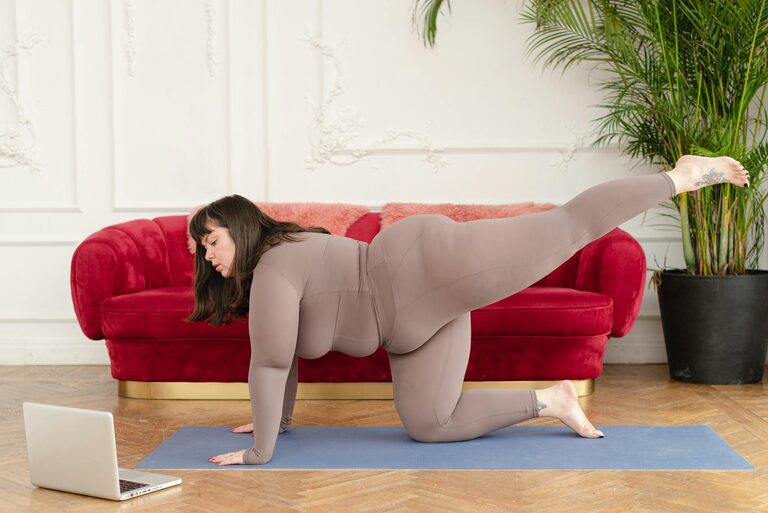
Stretching is a simple yet powerful way to improve your flexibility, reduce muscle tightness, and promote overall well-being. You don’t need a gym membership or fancy equipment to start stretching—just a little space at home and some guidance. This beginner’s guide will walk you through the benefits of stretching and how to create a safe and effective routine to do right in your living room.
Why Stretching Matters
Before jumping into the stretches themselves, it’s helpful to understand why stretching is important for everyone, regardless of age or fitness level.
– Improves Flexibility: Regular stretching gradually increases your range of motion, making daily activities easier and enhancing performance in physical activities.
– Reduces Muscle Tension: Sitting for long periods or repetitive movements can cause muscle stiffness. Stretching helps release this tension.
– Enhances Circulation: Stretching boosts blood flow to muscles, which aids recovery and promotes overall health.
– Prevents Injury: Flexible muscles are less likely to get strained or injured during exercise or daily tasks.
– Relieves Stress: Many stretches involve deep breathing and mindful movement, helping to calm the mind and reduce stress.
Preparing to Stretch at Home
Setting yourself up for success is key to sticking with a stretching routine regularly.
Choose a Comfortable Space
Find a quiet area with enough room to move freely without obstacles. A yoga mat or soft carpet can provide cushioning for floor stretches.
Dress Comfortably
Wear loose, comfortable clothing that allows you to move easily. Avoid tight or restrictive fabrics.
Warm Up First
Stretching cold muscles can lead to injury. Spend 5–10 minutes warming up with light activity like walking in place, marching, or gently jogging on the spot.
Set Realistic Goals
Start with a few basic stretches and aim for consistency rather than intensity. Even 5–10 minutes a day can make a difference over time.
Basic Stretches for Beginners
Here are some beginner-friendly stretches you can do at home. Hold each stretch for about 20–30 seconds, breathing deeply and never forcing your body into discomfort.
1. Neck Stretch
– Sit or stand tall.
– Gently tilt your head to the right, bringing your ear toward your shoulder.
– Hold, then switch to the left side.
– Repeat 2–3 times per side.
2. Shoulder Stretch
– Bring your right arm across your chest.
– Use your left hand to gently pull the arm closer to your body.
– Hold, then switch arms.
3. Chest Opener
– Clasp your hands behind your back.
– Straighten your arms and lift your chest while squeezing your shoulder blades together.
– Hold and breathe deeply.
4. Seated Forward Fold
– Sit on the floor with your legs extended straight ahead.
– Slowly reach your hands toward your toes, bending at the hips.
– Keep your back straight as you stretch.
– Stop when you feel a gentle pull in your hamstrings.
5. Cat-Cow Stretch (for spine flexibility)
– Get on your hands and knees with wrists under shoulders and knees under hips.
– On an inhale, arch your back, lifting your head and tailbone (Cow).
– On an exhale, round your spine, tucking your chin and tailbone (Cat).
– Repeat for 5–10 breaths.
6. Hip Flexor Stretch
– Step your right foot forward into a lunge position.
– Keep your left knee on the floor and push your hips forward.
– Hold, then switch legs.
7. Calf Stretch
– Stand facing a wall and place your hands on it.
– Step one foot back, keeping it straight and the heel on the ground.
– Lean into the wall to feel a stretch in your calf.
– Switch sides.
Tips for a Successful Stretching Routine
– Breathe Deeply: Inhale and exhale slowly to help your muscles relax and deepen the stretch.
– Don’t Bounce: Move gently into each stretch—bouncing can cause muscle strain.
– Listen to Your Body: Stretching should feel good. Avoid sharp pain or discomfort.
– Create a Routine: Pick a consistent time each day to stretch, such as before bed or after waking.
– Combine with Movement: Try to incorporate some light cardio or strength moves alongside your stretching for overall fitness.
When to Stretch
Stretching can be beneficial at various times throughout the day:
– Morning: Loosen up stiff muscles after sleep.
– Pre-Workout: Dynamic stretching (moving stretches) can warm up your body.
– Post-Workout: Static stretching (holding stretches) helps cool down and reduce soreness.
– Anytime: Take breaks during long periods of sitting to stretch and promote circulation.
Final Thoughts
Stretching is a valuable habit that supports your body’s flexibility, mobility, and comfort. Starting with these simple stretches at home can make a noticeable difference in your daily life. Remember that progress takes time, so be patient and consistent. Enjoy the calming moment to connect with your body and breathe deeply—it’s as good for your mind as your muscles.
Why not start today? Roll out your mat, try these beginner stretches, and take a step toward a healthier, more flexible you.