
How to Design a Weekly Reset Routine for a Fresh Start
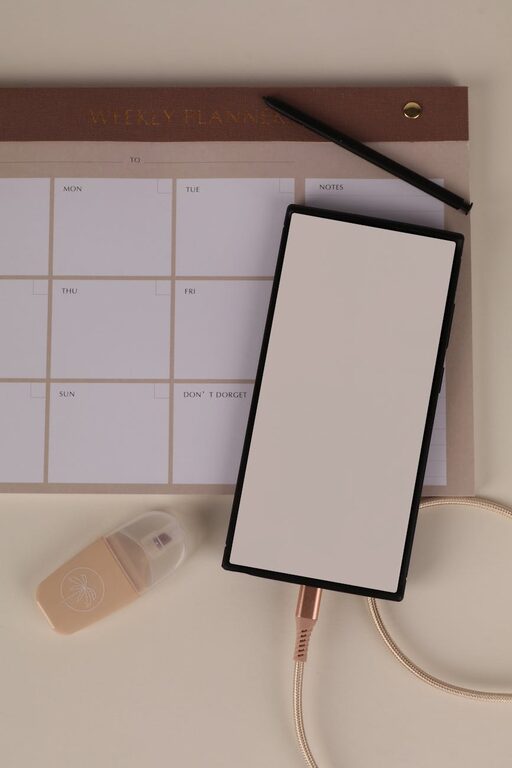
Creating a weekly reset routine is a powerful way to recharge your mind and body, organize your tasks, and set yourself up for a successful and balanced week. Whether your weeks feel chaotic or you just want a structured way to refresh, a weekly reset can bring clarity and calm.
In this post, we’ll explore exactly how to design a weekly reset routine tailored to your needs. You’ll learn practical tips and actionable steps to help you feel more in control and ready to tackle whatever the week throws your way.
What Is a Weekly Reset Routine?
A weekly reset routine is a dedicated time, usually once a week, to pause everyday activities and focus on recharging and preparing for the week ahead. It involves activities that help clear clutter, review your goals, and practice self-care. Think of it as hitting the refresh button to restore your energy and organize your life.
Benefits of a Weekly Reset Routine
– Reduces stress by creating a clear plan and reducing last-minute rushes
– Boosts productivity through better organization and goal setting
– Improves well-being by incorporating rest and self-care
– Creates consistency that builds positive habits over time
Setting aside time each week to reset lets you finish what you need to and enter the new week with clarity and calm.
Step 1: Choose the Right Day and Time
Pick a day and time when you can consistently dedicate uninterrupted attention to your routine. Many people prefer weekends or Sunday evenings as it’s a natural transition into the new week. However, choose what fits your schedule best.
Tips for picking the best time:
– Avoid busy or stressful days
– Set aside 30–60 minutes
– Communicate with family or housemates if you need quiet time
Step 2: Define Your Priorities
Identify what areas of your life need attention during your weekly reset. This will vary depending on your lifestyle and goals. Common priorities include organization, goal review, self-care, and planning.
Here are some ideas to consider:
– Declutter and clean your space (desk, living area, digital files)
– Review your calendar and prioritize tasks
– Set or adjust weekly goals
– Meal plan and prep for the week
– Engage in self-care activities like meditation, journaling, or exercise
Step 3: Create Your Weekly Reset Checklist
Having a checklist ensures you cover all key areas without feeling overwhelmed. Your list can be simple or detailed depending on your needs. Here’s a sample checklist:
– Clear workspace and organize supplies
– Review last week’s accomplishments and challenges
– Plan upcoming tasks and appointments
– Organize to-do list or planner
– Update budget or finances (optional)
– Prepare meals or grocery list
– Practice a self-care activity
Feel free to customize your list as you develop your routine.
Step 4: Combine Productivity with Relaxation
The goal of a weekly reset is to prepare for the week while recharging. Balance productive tasks with relaxing activities to avoid burnout.
Ideas to add balance:
– Listen to calming music or a podcast
– Take a walk or do gentle stretches
– Spend a few minutes journaling your thoughts
– Try a meditation or breathing exercise
Step 5: Minimize Distractions and Create a Comfortable Space
Choose a quiet, clutter-free environment to do your weekly reset. Turn off notifications on your phone or computer to stay focused. Preparing a comfortable space makes it easier to stick with your routine.
Step 6: Reflect and Adjust As Needed
A weekly reset routine is personal and can evolve. After a few weeks, reflect on what works and what feels less helpful. Adjust your checklist, timing, or activities accordingly.
Ask yourself:
– Do I feel more organized and calm afterward?
– Are there tasks I want to add or remove?
– Is the timing working with my schedule?
Small tweaks help your reset become a sustainable habit.
Sample Weekly Reset Routine
Here’s a simple example to illustrate how your routine might look:
- **10 minutes:** Tidy your desk and living space
- **15 minutes:** Review calendar, update planner, set goals
- **10 minutes:** Plan meals and create grocery list
- **10 minutes:** Journal or meditate to clear your mind
- **15 minutes:** Relax with a favorite book or gentle stretching
This routine takes about an hour but can be shortened or expanded.
Tips for Success
– Start small: Don’t overwhelm yourself. Begin with a few key tasks.
– Be consistent: Try to do your reset routine around the same time each week.
– Celebrate your progress: Acknowledge how the routine helps you feel more prepared.
– Use reminders: Set calendar alerts or alarms to build the habit.
– Stay flexible: Life changes, and so can your routine. Adapt as needed.
Final Thoughts
Designing a weekly reset routine is a simple yet effective way to bring order to your week and invest in your well-being. By dedicating a small amount of time to organizing, goal-setting, and self-care, you create a foundation for productivity and peace of mind.
Give yourself permission to pause and refresh regularly. Over time, your weekly reset routine will become a valued part of your schedule, helping you step into each week with confidence and balance.
—
Ready to create your own weekly reset routine? Start by choosing your day and writing down a few tasks. See how a little planning and reflection can make a big difference. Happy resetting!